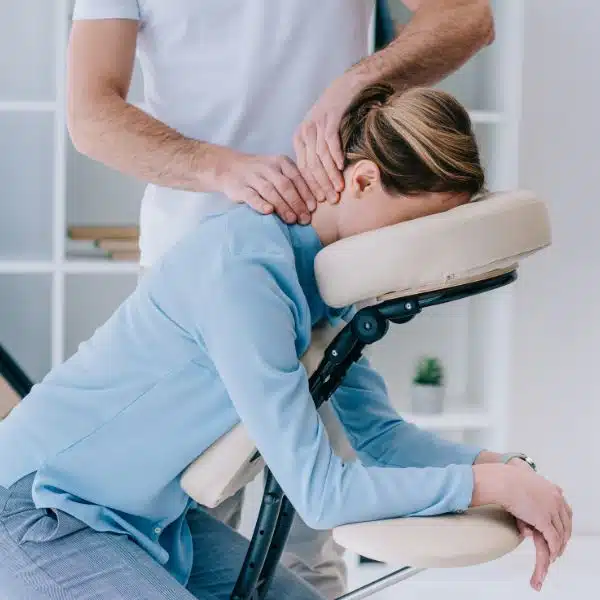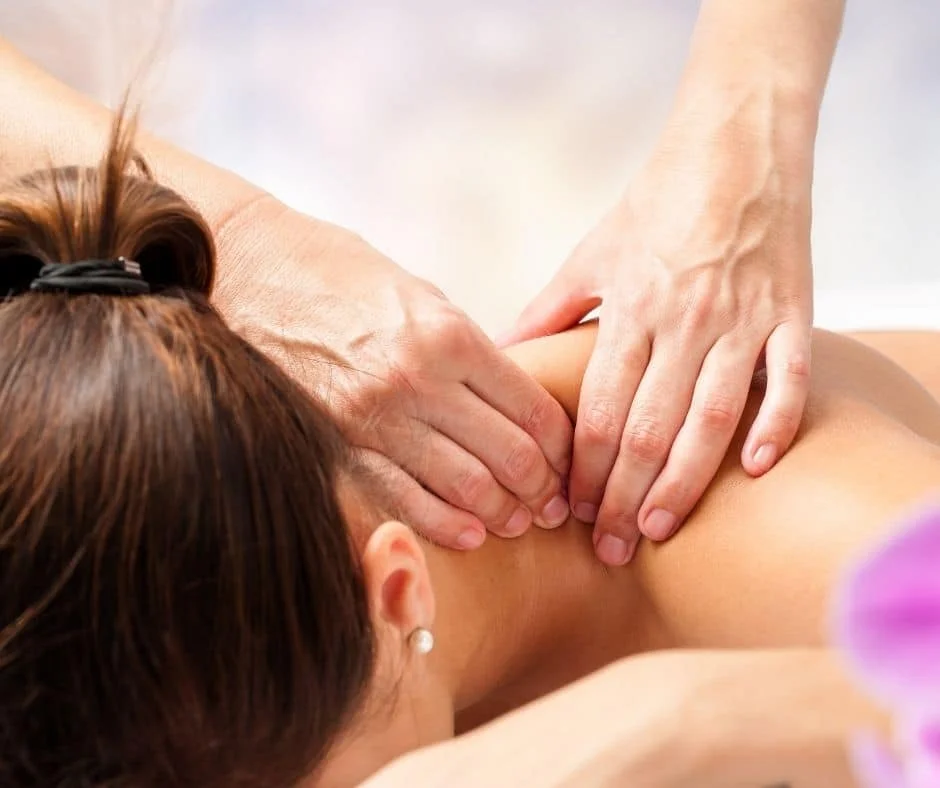

A sports massage differs significantly from a normal massage in several key ways. Understanding these distinctions can help you make an informed decision about the type of massage that would best suit your needs as an athlete or someone seeking relief from sports-related muscular issues.
Here’s all you need to know about how a sports massage is different from a normal massage.
A Tailored, Targeted Massage
First and foremost, a sports massage is specifically tailored to address the unique demands placed on your body during physical activity. Whether you’re a professional athlete, a weekend warrior, or simply someone who engages in regular exercise, this type of massage focuses on enhancing performance, preventing injuries, and promoting faster recovery.
One of the main differences between a sports massage and a regular massage lies in the techniques employed during the session. While a regular massage typically aims to relax the entire body and provide general stress relief, a sports massage specifically targets the muscle groups that are frequently engaged in your chosen sport or physical activity. This type of massage incorporates deep tissue manipulation, stretching, and friction techniques to alleviate muscle tension, increase flexibility, and improve range of motion.
Go Deep
Deep tissue manipulation involves applying focused pressure to release tension and knots in the deeper layers of muscle tissue. This can help reduce muscle soreness, increase blood flow, and promote faster healing. Stretching techniques are used to lengthen muscles and improve flexibility, which can enhance performance and reduce the risk of injury. Friction techniques involve applying pressure across the muscle fibers to break up scar tissue, promote circulation, and improve muscle function.
Intent
Furthermore, the intention behind a sports massage is another significant distinction. Sports massages are designed to address and prevent sports-related injuries such as strains, sprains, muscle tightness, and fatigue. By targeting the areas that are prone to overuse or stress, a sports massage can help reduce the risk of injury, speed up recovery, and optimize athletic performance.
What sets sports massage therapists apart is their specialized knowledge and experience in working with athletes and sports-related conditions. These therapists understand the specific anatomy and biomechanics involved in various sports and can tailor their techniques to meet your unique needs. Additionally, they may provide valuable advice on injury prevention, stretching exercises, and other self-care practices to complement the massage treatment.
Key Sports Massage Techniques and Their Purpose
Sports massage uses a range of specialised techniques to prepare muscles for activity and assist in recovery. Common techniques include effleurage, long, gliding strokes that warm up the muscles; petrissage, a kneading motion that loosens muscle fibres; and friction, which helps to break down scar tissue and improve circulation. Therapists may also use compression to stimulate blood flow, stretching to increase flexibility, and trigger-point therapy to release knots. Together, these methods enhance recovery, reduce post-exercise soreness, and promote better movement. By targeting specific muscles used in a sport or physical activity, a sports massage can relieve tightness and encourage long-term muscle health.
Sports Massage vs Deep Tissue Massage
A sports massage often overlaps with a deep tissue massage, but the focus and intention differ. Deep tissue massage aims to relieve chronic tension throughout the body, using firm pressure to reach deeper muscle layers. Sports massage, on the other hand, applies similar pressure but directs it toward the muscles most affected by a specific sport or repetitive motion. Where deep tissue work may focus on posture, stress, or back pain, sports massage concentrates on improving muscle condition, reducing inflammation, and maintaining peak performance. Athletes and active individuals tend to benefit more from this goal-driven approach, especially before or after intense training or competition.
Sports Massage vs Swedish Massage
Swedish massage is designed primarily for relaxation. It uses light to moderate pressure with gentle strokes to promote overall calm and reduce stress. Sports massage, however, takes a far more targeted approach. It addresses muscle fatigue, strain, and tightness with firmer pressure and specific manipulations. While Swedish massage improves circulation and mental wellbeing, sports massage actively restores muscle function and aids recovery after physical exertion. For someone with an active lifestyle, both have value — Swedish for relaxation, and sports massage for injury prevention and performance optimisation.
Benefits of Sports Massage
Sports massage provides benefits that extend well beyond immediate pain relief. It can reduce delayed onset muscle soreness after exercise, increase flexibility and range of motion, and improve circulation to speed up healing of micro-tears in muscle fibres. It also helps to flush out metabolic waste, which can reduce inflammation and fatigue, while improving mental focus and relaxation before competition. Regular sports massage supports long-term muscle conditioning, helping athletes and active individuals train more consistently without setbacks from repetitive strain or tightness.
Sports Massage for Injury Prevention and Recovery
One of the most valuable roles of sports massage lies in injury prevention. By maintaining supple, healthy muscles and reducing tightness around joints and tendons, it lowers the risk of common overuse injuries such as strains, sprains, and tendonitis. If an injury has already occurred, sports massage can assist rehabilitation by improving circulation, minimising scar tissue, and supporting better tissue alignment during healing. Therapists often integrate sports massage into broader recovery plans that include physiotherapy, stretching, and strength training.
When to Book a Sports Massage
Sports massage can be beneficial at multiple stages of an athlete’s training cycle. Before activity, it helps to warm up muscles and prepare them for exertion. After activity, it reduces soreness and assists recovery. During training, it can identify and treat areas of tightness before they develop into injuries. Even if you’re not a professional athlete, anyone engaging in regular physical activity — from running and cycling to gardening or gym workouts — can benefit from the focused muscle care that sports massage provides.
The Takeaway
While all massage therapies promote wellbeing, sports massage stands out for its precision and intent. It’s a proactive approach to muscle health that helps active individuals perform at their best and recover more quickly. Whether you’re training for an event or simply want to stay mobile and pain-free, incorporating sports massage into your routine can make a noticeable difference to how your body feels and functions.
So, How Is A Sports Massage Different From A Normal Massage?
In summary, a sports massage differs from a normal massage in its focus, techniques, and intention. It is geared towards athletes and individuals engaged in physical activities, aiming to enhance performance, prevent injuries, and promote faster recovery. By addressing the specific demands placed on your body during sports, a sports massage can help optimize your overall well-being and athletic performance.