Calluses are hard, thickened areas of skin that often develop on the feet. They form when your skin is exposed to repeated pressure or friction, usually from footwear, walking patterns, long periods standing, or one area of the foot taking more weight than it should.
Calluses are not usually serious, but they can be uncomfortable, unsightly and sometimes painful. They can make you self-conscious about wearing sandals, going swimming, walking barefoot, or heading to the beach.
And we all love the beach.
If you are wondering how to remove calluses from feet at home, the most important thing is to keep it safe. Safe callus removal at home means softening and gently reducing mild hard skin. It does not mean cutting, digging, shaving or trying to force the whole thing off in one go.
If you are unsure whether the hard skin is a corn, callus or something else, our guide to corns and calluses explains the difference in more detail.
Before You Start: When Not To Remove Calluses At Home
Before you try any form of foot callus removal at home, it is important to know when not to self-treat.
You should not try to remove calluses at home if you have diabetes, poor circulation, heart disease, reduced sensation in your feet, a weakened immune system, or a history of foot ulcers. You should also avoid at-home treatment if the skin is cracked, bleeding, red, swollen, infected, very painful, or producing discharge.
If you have diabetes and notice hard skin, pressure areas or diabetic foot pain, it is safer to get professional advice rather than trying callus removal at home.
You should also see a podiatrist if you are unsure whether the hard skin is actually a callus. Verrucas, corns and other foot problems can sometimes look similar, and treating the wrong thing can make matters worse.
1. Don’t Use Sharp Objects To Remove Calluses
Although it might seem like a quick and easy way of getting rid of calluses, using sharp objects for callus removal at home can lead to bleeding, wounds and infection.
Do not use:
- Razors
- Scissors
- Knives
- Nail clippers
- Callus shavers
- Blades
- Any tool designed to slice hard skin away
Medical professionals may reduce a callus with specialist tools, but this takes precision, training and a safe clinical setup. You should never try to copy viral pedicure videos and cut your calluses off yourself.
If you are tempted to cut hard skin away, our guide to DIY corn and callus removal explains why this can cause more harm than good.
If you are attempting to reduce a callus at home, use gentle methods only. Your feet need care, not a bathroom-based excavation project.
2. Tackle The Cause Of The Callus
Most calluses are caused by repeated rubbing or pressure. If you remove some hard skin but do not deal with the pressure causing it, the callus is likely to come back.
Shoes are often the first place to look. Shoes that are too tight can squeeze the feet and create pressure points. Shoes that are too loose can allow your feet to slide around, causing friction. High heels, hard soles and narrow toe boxes can also increase pressure on the toes, heels and balls of the feet.
To reduce pressure, try:
- Wearing shoes that fit properly
- Choosing a wider toe box
- Avoiding high heels or tight pointed shoes
- Wearing cushioned socks
- Using padding or insoles where appropriate
- Rotating footwear so the same areas are not rubbed every day
If the callus is painful, very thick, or keeps coming back, the best treatment for corns and calluses depends on what is causing the pressure in the first place.
Foot shape can also make a difference. Flat feet, fallen arches or ongoing arch pain can change how pressure moves through the foot. If the hard skin is linked to discomfort during activity, it may also be part of a wider pattern of foot pains when walking.
3. Soak And Gently Exfoliate
Soaking your feet can help soften hard skin before gentle exfoliation.
Start by soaking your feet in warm water for around 10 to 15 minutes. The water should be warm, not hot. You can add Epsom salts if you like, but plain warm water is enough for many people.
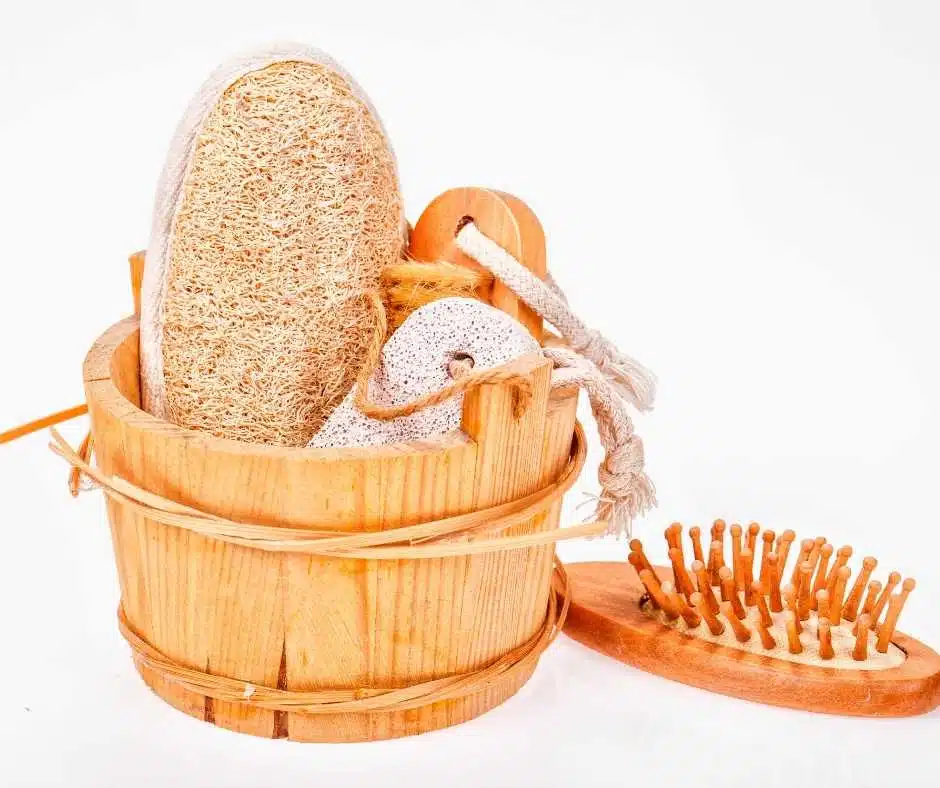
Once the skin has softened, gently rub the callused area with a pumice stone or foot file. Use light pressure and small circular movements. The aim is to gradually smooth and reduce the hard skin, not remove the whole callus at once.
Do not scrub aggressively. Do not keep going if the area becomes painful. Stop if the skin becomes red, sore, cracked, bleeding or irritated.
It is usually better to repeat gentle care over time than to try to do too much in one session. Over-filing can damage healthy skin underneath the callus, making the area more uncomfortable than it was before.
4. Moisturise Your Skin
After exfoliating, apply a moisturiser to help soften the skin and reduce dryness. Moisturising hydrates the skin, improves flexibility and may help stop hard skin from becoming thick, rough or cracked.
A thick foot cream can be helpful, especially after washing or filing your feet. Some people find it useful to apply moisturiser before bed and wear clean cotton socks overnight to help the cream absorb.
Avoid applying moisturiser between your toes unless advised by a professional, as too much moisture between the toes can encourage other skin problems.
If hard skin has already become sore, moisturising alone may not be enough. Painful calluses on feet often develop when one area keeps taking too much weight, so pressure relief is just as important as skin care.
5. Prevent The Pressure Coming Back
Good callus removal at home is not just about reducing hard skin. It is also about stopping the same pressure from building up again.
Regularly check your feet for areas of thickened skin, rubbing, redness or tenderness. If you catch hard skin early, you may be able to manage it with gentle filing, moisturising and footwear changes before it becomes painful.
Footwear rotation can also help. Different shoes place pressure on different areas of the foot, so wearing the same pair every day can repeatedly irritate the same patch of skin.
If you are on your feet all day, cushioned socks, supportive shoes and insoles may help reduce pressure. General foot and ankle exercises may also support strength, balance and mobility, but they will not remove a callus if the pressure source is still there.
If a callus keeps returning in exactly the same place, it is a sign that the underlying pressure still needs attention.
Can You Permanently Remove Calluses?
One of the most common questions people ask is how to permanently remove calluses from feet.
The honest answer is that you can reduce and manage calluses, but they may come back if the original pressure or friction continues. Permanent removal is only realistic when the cause is addressed.
That might mean changing shoes, wearing cushioned socks, using insoles, reducing rubbing, or dealing with pressure caused by foot shape or gait. If the callus keeps returning in the same place despite regular home care, a podiatrist can help identify why that area is being overloaded.
This is especially important if the callus is painful, affects the way you walk, or feels deeper than surface hard skin. If pain does not seem limited to the callus itself, it may be worth considering other causes of foot pain.
Heel calluses can often be managed with softening, filing and moisturising, but ongoing sore heel pain may have another cause if the discomfort feels deep, sharp, or worse when you first stand up.
When Callus Removal At Home Doesn’t Work
Callus removal at home can be useful for mild, uncomplicated hard skin. But it is not suitable for every foot, every callus, or every person.
You should see a podiatrist if:
- The callus is painful
- It keeps coming back
- It is very thick or hard
- The skin is cracked, bleeding, red or swollen
- There is fluid, pus or discharge
- It affects the way you walk
- Home care has not helped
- You are unsure whether it is a callus, corn, verruca or something else
- You have diabetes, poor circulation or reduced sensation
A podiatrist can safely reduce hard skin where appropriate, check for underlying causes, and advise on footwear, padding, insoles or other treatment options.
If you have tried home remedies and they have not reduced the appearance of your calluses, or you experience pain or bleeding, it is time to seek professional help.
Northwich Foot Clinic is accessible from across Cheshire and the North West, and our team of experienced podiatrists will be happy to help.
FAQs
How can I safely remove calluses at home?
To safely remove calluses at home, soak your feet in warm water for 10 to 15 minutes, then gently use a pumice stone or foot file to smooth the hard skin. Do not use sharp objects or excessive force. After filing, apply a moisturiser to keep the skin soft.
What causes calluses on feet?
Calluses are usually caused by repeated pressure or friction. Common causes include tight shoes, loose shoes, high heels, hard soles, walking long distances, standing for long periods, and pressure caused by foot shape or gait.
Can I permanently remove calluses on my feet?
You can reduce calluses, but they may return if the original pressure or friction continues. Long-term improvement depends on dealing with the cause, such as footwear, walking pattern, foot shape, or repeated pressure in the same place.
How often should I exfoliate calluses?
For mild calluses, gentle exfoliation once or twice a week may help. Do not over-exfoliate, as this can irritate or damage the skin. Stop if the area becomes painful, red, sore, cracked or bleeding.
Should I cut calluses off?
No. You should not cut calluses off yourself. Using blades, razors, scissors or nail clippers can damage healthy skin, cause bleeding and increase the risk of infection. If a callus needs professional reduction, a podiatrist can do this safely.
How do I treat painful calluses on my feet?
For painful calluses, start by reducing pressure with better-fitting shoes, cushioned socks or padding. Do not cut or dig into the skin. If the callus remains painful, keeps coming back, or affects walking, book an appointment with a podiatrist.
Can people with diabetes remove calluses at home?
People with diabetes should not try to remove calluses at home without professional advice. Diabetes can affect circulation, sensation and healing, which makes foot problems more serious. A podiatrist can recommend the safest care.
When should I see a podiatrist for calluses?
You should see a podiatrist if your callus is painful, recurring, cracked, bleeding, infected, affecting your walking, or not improving with gentle home care. You should also seek professional advice if you have diabetes, poor circulation, reduced sensation or are unsure what the hard skin is.