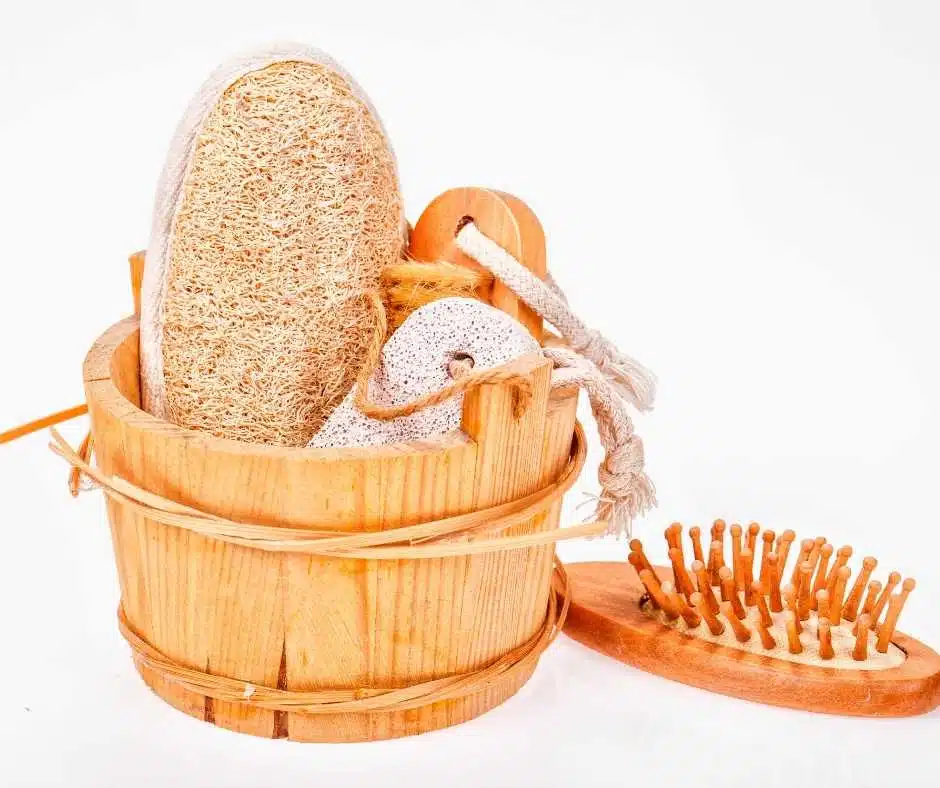

A callus is an area of hardened skin which has been toughened due to repeated friction or pressure. They are usually caused by ill-fitting shoes, either too tight or too loose, which consistently rub against a particular area. To protect your skin, your body builds a thick layer of dead skin cells which prevents further friction. This is a callus.
Corns and calluses are similar because they are both areas of thickened skin caused by pressure or rubbing. Although they are usually harmless, they can be unsightly, uncomfortable and sometimes painful. When the hard skin builds up over a high-pressure area, such as the ball of the foot, the heel, the side of a toe, or underneath the big toe joint, it can start to feel sore when you walk or stand.
Fortunately, corns and calluses can be treated. The right approach depends on what has caused the pressure, whether the hard skin is painful, and whether you have any underlying conditions that affect your feet. Here’s what you need to know about the causes, symptoms and treatment options.
What’s The Difference Between Corns And Calluses?
Corns and calluses are often spoken about together, but they are not quite the same thing.
A callus is usually a broader, flatter area of hard or thickened skin. Calluses often appear on weight-bearing parts of the foot, such as the heel, the ball of the foot, or underneath the big toe. They may look dry, yellowish, rough or waxy, and they often develop gradually as the skin tries to protect itself from repeated pressure.
A corn is usually smaller and more concentrated. It can feel like a hard plug of skin, and it may have a central core that presses into the skin. Corns often develop over bony areas, on the tops of toes, between toes, or on areas where shoes rub.
This distinction matters because the best treatment for corns and calluses depends on what type of hard skin you have and what is causing it. A wide patch of hard skin under the foot may need a different approach from a painful corn on the side of a toe.
Symptoms Of Corns And Calluses
Corns and calluses can look and feel slightly different depending on where they are and how much pressure is being placed on the area.
Common symptoms include:
- Hardened or thickened skin
- Rough, dry, yellowish or waxy patches
- Tenderness when walking or standing
- Discomfort in shoes
- A feeling of pressure under the foot
- Pain when the hard skin becomes too thick or concentrated
- Cracking or splitting, especially around dry areas of skin
Mild hard skin may not cause any pain at first. However, if the pressure continues, the skin can become thicker and more uncomfortable. A painful callus on your foot is often a sign that the pressure has become too focused in one area.
If the pain only appears when you are walking, the hard skin may be part of a wider pressure or gait issue. It can also be useful to understand the broader causes of foot pain, especially if the discomfort is not limited to the area of hard skin.
In some cases, pressure from corns or calluses can also contribute to foot pains when walking, because you may unconsciously change the way you walk to avoid the sore area. This can shift pressure elsewhere and make the original problem harder to resolve.
You should seek advice if a corn or callus bleeds, cracks deeply, becomes swollen, has pus or discharge, or causes severe pain. You should also avoid treating it yourself if you have diabetes, poor circulation, heart disease, reduced sensation in your feet, or any other condition that makes foot problems more serious.
What Causes Corns And Calluses?
Corns and calluses are areas of thickened skin that develop as a natural response to repeated friction, pressure, or irritation. Understanding the causes can help you take preventive measures to avoid them in the future.
Here’s a detailed look at the most common factors contributing to corn and callus formation.
Ill-Fitting Footwear
One of the most common causes of corns and calluses is wearing ill-fitting shoes. Shoes that are too tight, too loose, or have high heels can create excessive pressure and friction on certain areas of your feet.
Over time, this repeated pressure causes the skin to harden and form a protective layer, resulting in a callus. Pointy shoes, in particular, can squeeze your toes together, leading to corns or calluses on the sides of your feet or between your toes.
Shoes that are too loose can also be a problem. If your foot slides around inside the shoe, the repeated rubbing can irritate the skin and encourage hard skin to build up. If you are regularly getting hard skin in the same place, it may be worth checking whether your shoes still fit properly. Many adults go years without having their feet measured, but poorly fitting footwear can contribute to corns, calluses, blisters, ingrown toenails and general foot discomfort.
Repetitive Activities
Engaging in repetitive activities, especially those that put continuous stress on your feet, can also lead to callus formation. Activities like running, walking long distances, or standing for extended periods can cause the skin on your feet to thicken as a protective measure.
Even everyday actions like walking barefoot on hard surfaces or wearing sandals without adequate support can contribute to the development of calluses. The more often the skin is exposed to the same pressure point, the more likely it is to harden.
If your work or hobbies mean you spend a lot of time on your feet, prevention becomes especially important. Supportive shoes, cushioned socks and regular foot care can help reduce the repeated friction that allows hard skin to build.
Foot Shape And Gait
Your natural foot shape and the way you walk, known as your gait, can also play a significant role in the formation of corns and calluses.
For example, people with flat feet or high arches may experience uneven distribution of pressure when walking or standing, leading to calluses in specific areas. If you tend to walk with more pressure on the balls of your feet, heels, or the sides of your feet, you may be more likely to develop hard skin in those regions.
Changes in foot posture can also affect pressure. Flat feet, fallen arches, high arches, or ongoing arch pain can alter the way weight moves through the foot, making certain areas more prone to hard skin.
In some cases, strengthening and mobility work may also help support better foot function. General foot and ankle exercises will not remove a corn or callus by themselves, but they may help improve balance, stability and pressure distribution as part of a wider foot-care plan.
Certain Occupations And Hobbies
Certain occupations and hobbies that require prolonged standing, walking, or manual labour can increase the likelihood of developing corns and calluses.
For example, construction workers, nurses, retail employees, hairdressers and hospitality workers often spend long hours on their feet, making them more prone to hard skin. Similarly, athletes, dancers and hikers may experience calluses due to the repetitive stress placed on their feet during their activities.
In some cases, the callus is not the main problem. It is the visible sign of a repeated pressure pattern. Unless that pressure is reduced, the hard skin may keep coming back.
Skin Conditions And Health Issues
In some cases, underlying skin conditions or health issues can contribute to callus formation. Skin conditions such as psoriasis or eczema can cause areas of thickened, dry, or irritated skin, which may make the feet more vulnerable to cracking, soreness and hard skin build-up.
People with diabetes need to be particularly careful with corns and calluses. Diabetes can affect circulation and sensation in the feet, which means pressure areas, wounds, or sore patches may not always be noticed straight away. If you have diabetes and are experiencing hard skin, discomfort, or diabetic foot pain, it is safer to seek professional advice rather than trying to treat the problem yourself.
Poor circulation, reduced sensation, heart disease, immune system problems, or a history of foot ulcers can also make self-treatment risky.
Inadequate Foot Care
Neglecting proper foot care can also lead to the development of corns and calluses. Failing to moisturise your feet regularly, allowing dead skin to build up, or ignoring small areas of hard skin can cause calluses to worsen.
Regular exfoliation, moisturising, and wearing the right shoes are essential to prevent calluses from forming or becoming more severe. Foot care does not need to be complicated, but it does need to be consistent.
By understanding the causes of corns and calluses, you can take proactive steps to prevent them. Whether it’s by choosing the right footwear, adjusting your activities, or maintaining a consistent foot care routine, you can reduce the likelihood of hard skin and keep your feet healthier and more comfortable.
Could It Be Something Else?
Hard or painful skin on the foot is not always a corn or callus. Sometimes, other foot problems can feel similar, especially if the discomfort is on a weight-bearing part of the foot.
A verruca can sometimes be mistaken for a corn or callus, especially when hard skin forms over the top. Verrucas may have tiny black dots under the hard skin and can feel painful when squeezed from the sides.
A corn is more likely to hurt when direct pressure is applied from above, especially if it has a concentrated central core.
Pain in the ball of the foot can also come from other causes. For example, Morton’s neuroma can cause shooting, stabbing or burning pain, often between the third and fourth toes, and may feel as though there is a pebble or lump under the foot.
Heel pain can also be confused with hard-skin pain if a callus has formed around the heel. Hard skin on the heel is often linked to pressure, dryness or footwear, but persistent sore heel pain may also have other causes, especially if the discomfort feels deeper than the skin itself.
This is why diagnosis matters. If you are not sure what you are dealing with, or if the pain is getting worse, a podiatrist can assess the area properly and recommend the safest treatment.
Can Corns And Calluses Be Treated At Home?
There are several home remedies that you can try if you have mild calluses. Remember, as with any at-home remedy, that if you experience any pain or have any concerns, you should see a medical professional.
At-home care is usually only suitable for mild, uncomplicated hard skin. It is not suitable if you have diabetes, poor circulation, reduced sensation, an open wound, bleeding, signs of infection, or severe pain.
Mild, uncomplicated hard skin may respond well to careful callus removal at home, but painful, recurring or cracked skin should be checked by a podiatrist.
Soak Your Feet
Using warm water, you can try soaking your feet. This can soften your skin and help prepare it for other methods of care.
Soak your feet for 15 to 20 minutes, allowing the warm water to loosen the hard skin. After soaking, gently dry your feet, paying attention to the areas where calluses are most prominent.
Soaking alone will not usually remove a callus completely, but it can make the skin easier to care for. It can also make gentle filing more comfortable.
Try Gentle Exfoliating
You can use a pumice stone to gently rub the area, stopping immediately if there is any pain. This can help to lift away dead skin cells and gradually reduce the thickness of the hardened skin.
Exfoliating is a useful step in callus care, but it should be gentle. The aim is not to remove the whole callus in one go. Over-filing can irritate the skin underneath and make the area sore.
When using a pumice stone, make sure it is wet to avoid causing additional friction. Circular motions are best for smoothing the callus without damaging the healthy skin underneath.
Moisturise
After exfoliating, use a gentle moisturising cream which will soften and protect your skin. Moisturising is essential because it keeps your skin supple and reduces the likelihood of calluses reforming.
Look for foot creams that contain hydrating ingredients such as shea butter, glycerin, lanolin or urea. These can help soften dry, thickened skin and improve comfort.
For an intensive overnight treatment, you can apply a thick layer of moisturiser and then wear cotton socks to lock in the moisture as you sleep. This can be particularly effective in softening calluses and improving overall foot health.
Do not apply moisturiser between the toes unless advised by a professional, as excess moisture between the toes can sometimes encourage other skin problems.
Why You Shouldn’t Cut Corns Or Calluses Yourself
It can be tempting to cut away a painful corn or thick callus, especially when the skin feels hard and raised. However, cutting hard skin yourself can cause more harm than good.
Avoid using scissors, razors, knives, blades, nail clippers, or any sharp tool to remove corns or calluses. It is easy to cut too deeply, damage healthy skin, or create a wound. This can increase the risk of infection, particularly if you have diabetes, poor circulation, reduced sensation, or a weakened immune system.
Even medicated corn plasters or strong chemical treatments may not be suitable for everyone, especially if the skin around the corn is fragile or if you have an underlying health condition.
If you are considering DIY corn and callus removal, it is important to understand the risks first. Safe care should focus on softening the skin, reducing pressure and getting professional help when needed, not cutting into the foot.
How To Prevent Corns And Calluses Coming Back
The best cure is prevention in this case. Because corns and calluses are often caused by the shoes you wear, this is the place to start.
Make sure your shoes are the right size, and it can be illuminating to get your feet measured as an adult. Properly fitted shoes reduce friction and pressure points that lead to corns and calluses. When selecting shoes, consider the shape and width of your foot. If you have wider feet, opt for shoes that offer enough room in the toe box.
You should avoid wearing high heels or tight, pointy shoes, and instead, opt for wide, well-cushioned shoes. Shoes made from breathable materials like leather or mesh can also help prevent excessive sweating, which can exacerbate hard skin and rubbing.
You can also add insoles into your shoes to protect your feet even more. Orthotic insoles or gel pads can provide additional cushioning and support, redistributing pressure across your feet and preventing hard skin from building up in one concentrated area.
Wearing thick, cushioned socks can also reduce friction. If you spend long hours standing or walking, this can make a significant difference.
Long-term care is usually about reducing pressure, improving footwear and keeping the skin soft. Preventing corns and calluses from coming back is just as important as treating the hard skin that is already there.
You should find that after wearing well-cushioned shoes for a while, your calluses may start to fade. In addition to choosing the right footwear, it’s important to maintain good foot hygiene and keep an eye on areas prone to hard skin. Regularly moisturising and gently exfoliating your feet can prevent calluses from becoming severe and reduce the need for more intensive treatments.
If your corns or calluses keep returning in the same place, that usually means the underlying pressure is still there. A podiatrist can help identify whether the issue is footwear, gait, foot shape, activity, or another problem.
Foot Callus Removal From A Podiatrist
A podiatrist is a skilled medical professional trained in the diagnosis and treatment of problems with the feet and lower limbs.
If you have any pre-existing issues with your feet, or if you have diabetes, you should always go to your podiatrist rather than trying at-home solutions. However, you can always make an appointment with a podiatrist even if you don’t have pre-existing conditions.
The podiatrist will be able to quickly and safely remove calluses where appropriate, and they will give you advice about how to avoid getting more calluses in the future. They can also check your general foot health and treat any other issues you have.
Professional care can be especially helpful if:
- The corn or callus is painful
- The hard skin keeps coming back
- You are not sure whether it is a corn, callus, verruca, wound, or another issue
- The area is bleeding, cracked, swollen, red, or producing discharge
- The pain is affecting the way you walk
- You have diabetes, poor circulation, reduced sensation, or heart disease
- Home care has not helped
- You are worried about cutting or damaging the skin
If you are unsure whether creams, padding, professional removal or footwear changes are right for you, it helps to compare the main corn and callus treatment options before choosing what to do next.
A podiatrist can assess the cause of the pressure, remove hard skin safely, and recommend padding, insoles, footwear changes, or other treatment options where needed.
Booking An Appointment…
Booking an appointment for corn or callus treatment at Northwich Foot Clinic is quick and easy. Simply head to our online booking form and select ‘New Patient Podiatry’, or phone us on 01606 45077.
Our foot clinic is easily accessible for people across Cheshire and the North West, handily located in the centre of Northwich. Our experienced podiatrists are here to keep your feet healthy.