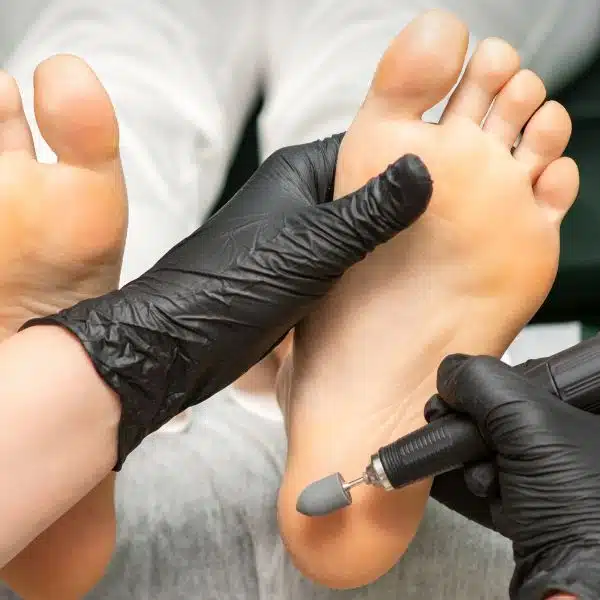

Fungal infections tend to occur in warm, moist skin, so as the weather gets warmer and we are still in closed shoes, it can be a problem. Feet get hot during sports and fungal spores can be caught from changing room floors, which is why it is called athlete’s foot. Although we are all at risk even if we are never at a gym!
It is most often seen between the toes but can also appear in the arches or around the rims of the heels. It starts like red, itchy patches, sometimes with small moist spots, but as it gets established it can cause the skin to peel and split.
Understanding Athlete’s Foot and Foot Yeast Infections
Athlete’s foot, also known as tinea pedis, is caused by dermatophyte fungi that thrive on the outer layers of skin. These microscopic organisms love dark, warm and moist environments, making sweaty feet in tight shoes an ideal breeding ground. You can catch them from walking barefoot in communal showers, swimming pools or locker rooms, but the infection can also appear after wearing sweaty socks or shoes, even if you never set foot in a gym.
A foot yeast infection is slightly different. Yeast (often Candida species) can infect the skin between the toes or around the heels, producing similar symptoms to tinea pedis. The same preventive measures—keeping the skin dry, changing socks and shoes, and using antifungal treatments—will help both conditions.
Signs and Symptoms to Watch For
Early recognition makes treatment easier and prevents spread. Common symptoms include moist, white areas between your toes, dry or scaly skin that may peel or crack, itchy blisters or spots, burning or stinging sensations, and an unusual odour. Occasionally, the rash can be red (less visible on darker skin tones) or appear on the soles or sides of the feet. If left untreated, the infection can spread to your toenails or even to your hands, so it’s important to begin treatment as soon as possible.
Why Early Treatment Matters
Athlete’s foot is highly contagious. The longer you leave it, the more likely it is to spread to other areas or to other people in your household. Prompt therapy stops the fungus from colonising your shoes, socks and carpets, where it can linger and re-infect you later. Early treatment also reduces the risk of complications such as secondary bacterial infections or cracked skin that can make walking painful.
Treatment Options
Over-the-counter antifungal products are your first line of defence. Creams, sprays, powders and solutions containing terbinafine, clotrimazole, or miconazole kill the fungus and relieve symptoms. You should apply the treatment two or three times a day and continue for at least two weeks after the symptoms have gone to stop the infection coming back. With clotrimazole, it’s recommended that you don’t use the cream, spray or solution for more than four weeks unless directed by a healthcare professional.
If the infection is severe, persistent, or involves your nails, your GP or podiatrist may prescribe a stronger topical treatment or an oral antifungal tablet. Oral medication is usually reserved for stubborn cases because it can have side effects and interactions, so always follow professional advice. People who are pregnant, breastfeeding, or treating a child under 16 should speak to a pharmacist or doctor before using antifungal medicines.
Natural remedies such as tea tree oil have some antifungal properties and can be found in many foot-care products, but evidence of effectiveness is mixed. They may help as an addition to medical treatments but should not replace proven antifungal medicines.
Hygiene and Self-Care Tips
Prevention is just as important as treatment. Adopting good foot hygiene makes it harder for fungi to take hold and reduces the risk of recurrence.
Wash your feet every day with soap and water, and dry them carefully, especially between your toes. If you struggle to reach these areas, use a cotton bud dipped in surgical spirit to ensure they are dry. Change your socks daily and choose natural fibres such as cotton or bamboo, as these materials allow your skin to breathe and wick away moisture. Wear shoes made from breathable materials like leather or Gore-Tex, and rotate your footwear so each pair can air out for 24 hours before wearing again. Wash socks and bed linen at high temperatures to kill fungal spores. Use antifungal powders or sprays inside your shoes to keep them fresh and free from infection. Tea tree-based products or Mykored sprays can help maintain a healthy environment inside your footwear. Keep toenails trimmed to prevent fungal growth under the nail and avoid biting or picking at the skin.
Avoid scratching the rash, as this can spread the infection to other areas of your body. Do not apply moisturiser between your toes, as this creates a moist environment that encourages fungal growth. Avoid walking barefoot in communal areas such as gyms, pools or locker rooms, and do not share towels, socks or shoes with others. Try not to wear the same pair of shoes for more than two days in a row.
When to Seek Professional Help
Sometimes self-treatment isn’t enough. You should consult a podiatrist or GP if the infection does not improve after a few weeks of treatment, if it spreads to your nails or other parts of your body, or if you have diabetes, circulation problems, or a weakened immune system. Seek medical help immediately if the skin becomes swollen, hot or produces pus, as this could indicate a secondary bacterial infection.
At Northwich Foot Clinic, our podiatrists can diagnose the exact type of fungal infection by taking a small skin sample for laboratory analysis. We’ll provide targeted treatment, advice on footwear and hygiene, and check for any underlying issues that might be contributing to recurrent infections. Persistent infections may require a longer course of oral medication or combination therapy, and we’ll ensure your treatment plan is safe and effective.
Our Approach at Northwich Foot Clinic
We believe in a holistic approach to foot health. Our experienced team offers medical pedicures, fungal nail laser therapy, and tailored advice for preventing recurrence. If you have an athlete’s foot fungal infection, we’ll not only treat the symptoms but also help you identify and address the underlying causes, such as footwear choices or lifestyle factors. We understand that foot yeast infections and tinea pedis can be both uncomfortable and embarrassing, so our clinic provides a professional, discreet, and supportive environment.
When to Get Professional Help With an Athlete’s Foot Fungal Infection
Athlete’s foot and foot yeast infections are extremely common, but they don’t have to be a recurring problem. By recognising the symptoms early, using effective antifungal treatments, and adopting consistent hygiene habits, you can clear the infection and reduce the risk of it returning. Wash and dry your feet daily, choose breathable footwear, and treat your shoes with antifungal sprays. Avoid walking barefoot in shared spaces and never share towels or socks. If your infection does not improve or you have any concerns, it’s best to seek professional help.
For tailored advice and professional treatment, contact Northwich Foot Clinic today. Our team of qualified podiatrists is here to help you keep your feet healthy, comfortable, and fungus-free.